The Four-Thousand-Worker Jobsite
The data-center boom is rewriting what a large project looks like — and pulling skilled trades off every other job in the market, ours included. Here is how we are reading it from Louisville.
Carl Brazley, CEO
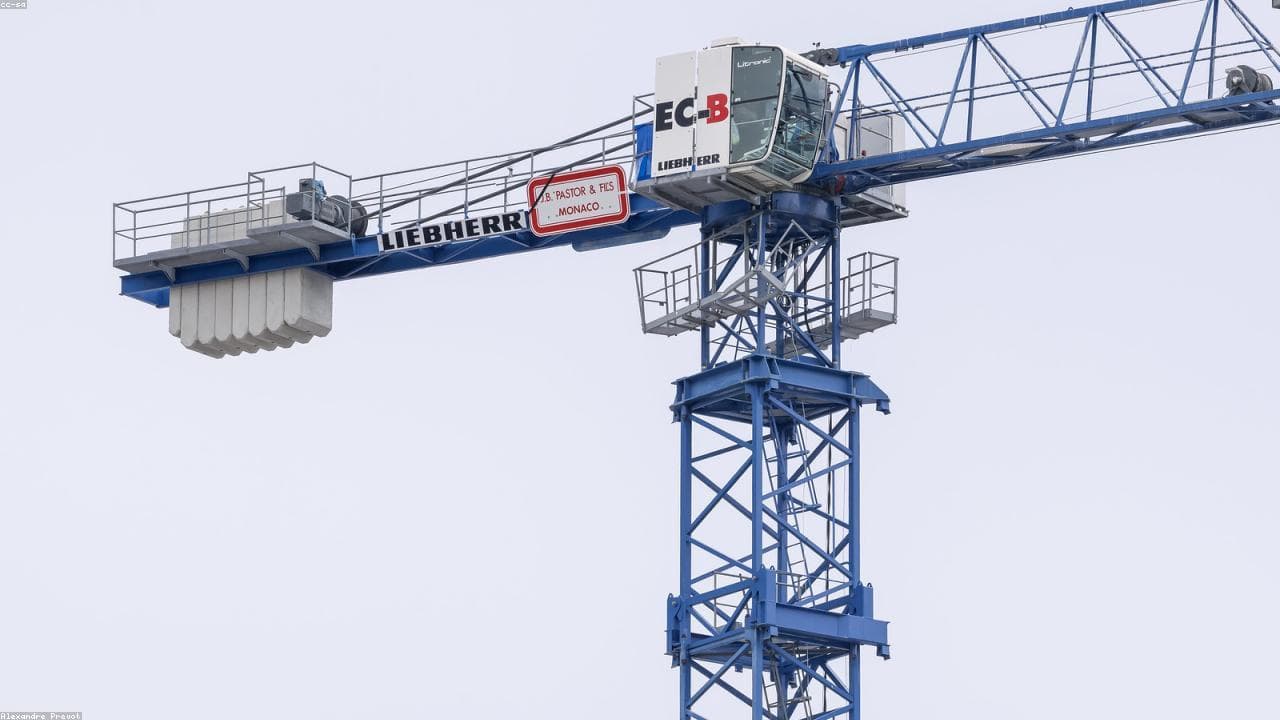
A single AI-scale data-center campus now needs about 4,000 workers on site. A few years ago the same kind of job ran on 750. That is not a bigger version of the work we grew up doing. It is a different animal, and it is eating the labor pool that every other project in the country draws from.
The national numbers are blunt. Industry analysts put the construction workforce shortfall driven by the data-center build-out somewhere between 439,000 and roughly 500,000 workers, and the trades in shortest supply are the ones we need most: electricians, mechanical contractors, controls and commissioning teams, high-voltage field talent. Roughly 41 percent of the current construction workforce is expected to retire by 2031. The people walking off the job are not being replaced one-for-one.
What this looks like from a Louisville MBE
We are not building hyperscale campuses. We manage public and institutional projects — schools, facilities, government work — and here is the problem: the megaprojects set the price of an electrician, and we pay it. When a campus 200 miles away is paying a premium for every controls specialist it can find, the subcontractor we have used for a decade gets a call, and our carefully bid schedule inherits the consequence.
“The megaproject two states over sets the price of your electrician. You just pay it.”
So we have changed how we plan. We lock key trades earlier — before the contract requires it, sometimes before the design is finished enough to be comfortable — because the risk is no longer that a sub is expensive. The risk is that the sub is gone. On our last two institutional jobs we moved subcontractor commitments up by weeks specifically to get ahead of the crews that the data-center backlog is soaking up.
The long-lead list is longer than the labor list
Labor is half the story. The other half is equipment. Operators are waiting up to 210 weeks for large transformers, and switchgear and mechanical lead times now run from eight to twenty-four months. Those are the same components a hospital retrofit or a public facility needs. When hyperscalers order transformers by the hundred, our modest order sits behind theirs in the same factory queue.
Our response is unglamorous and it works: we build the long-lead list first, before we build the schedule. Anything with a lead time longer than the design phase gets identified, priced, and in many cases ordered against a deposit before the drawings are done. It costs contingency dollars to commit early. It costs far more to have a finished building waiting ninety days on a piece of gear nobody flagged.
None of this is a complaint about the boom. It is real work, and modular delivery — factory crews of 20 to 50 outperforming larger site teams and compressing schedules from 24-36 months to 16-20 — is a genuinely good idea we are borrowing where it fits. But a firm our size does not get to wait for the market to calm down. We plan around the scarcity that exists, name it to our clients early, and stop pretending the labor and equipment we need will simply be there when the schedule says so.
About the author
Carl Brazley — CEO